
Musician Chose Dignity Over Damage Control
. . . April Ryan, NABJ, Black Press Join Challenge to Media Ban
NAHJ VP Challenges Incumbent for Top Job
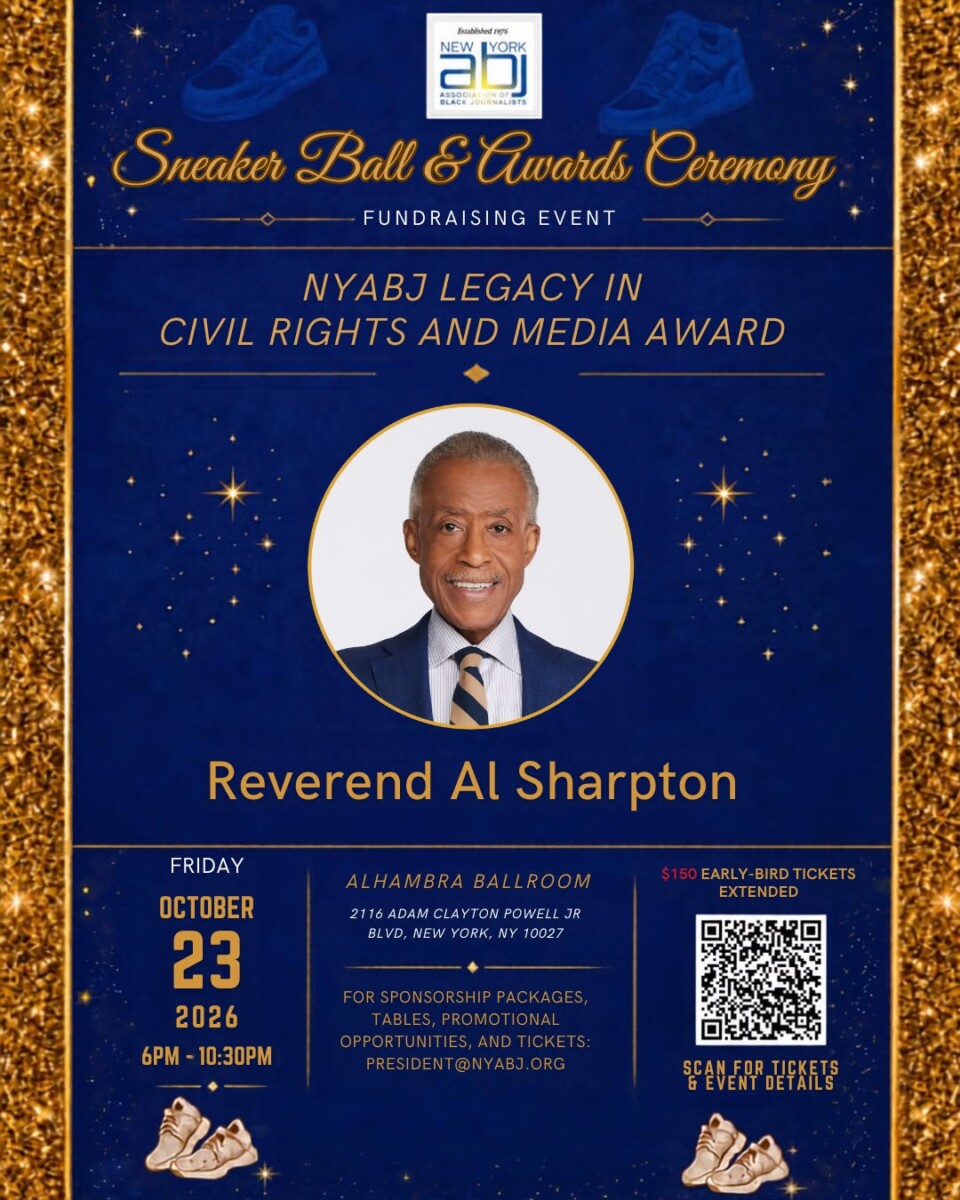
New York NABJ Chapter to Honor Al Sharpton
The Root Explores Black Interaction With Bill of Rights
Earl Caldwell, 91 and Under Care, Receiving His Props
Panel Fills in Wallace Terry’s Own ‘Missing Page’
Media on Agenda at Black Panther Party Reunion
Listen Up: ‘We Are Not Powerless as a Profession’
They Read the Times of London in Asante Kingdom
Cuban Independent Journos Still Harassed, Imprisoned
Short Takes: Eliminating race from the census; Philadelphia Inquirer backs impeachment; Max Robinson documentary; Sasha-Ann Simons; NPR-HBCU “Public Radio Immersion Day”; Michelle Singletary; Don Lemon; Stephen A. Smith
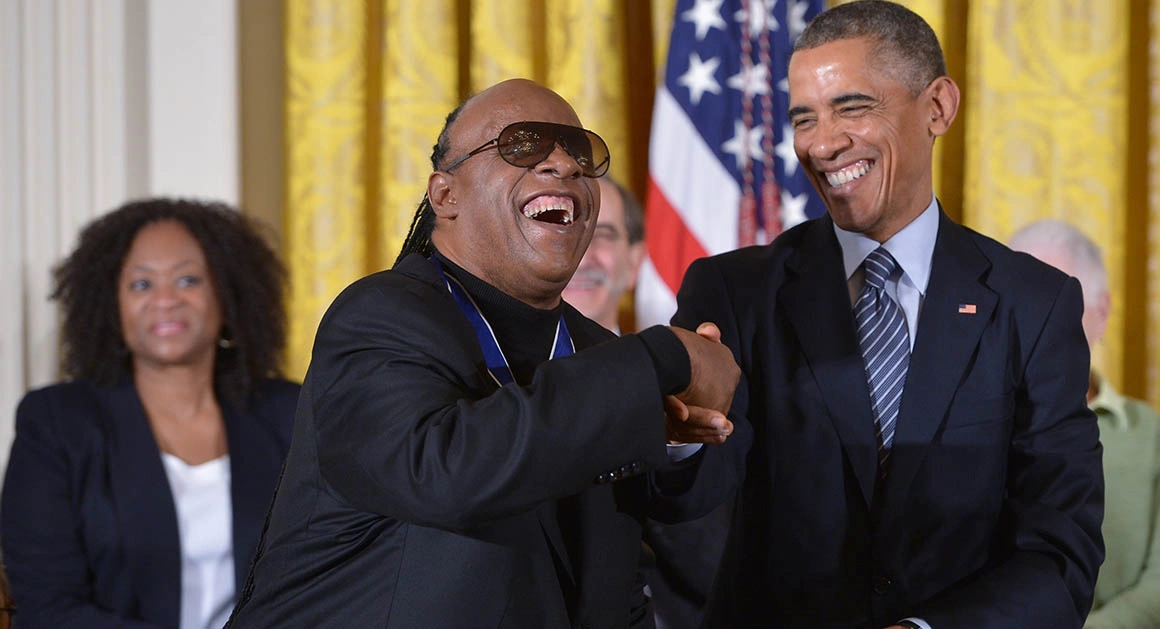
Homepage photo: Stevie Wonder at the White House with President Obama in 2015 (Credit: Politico)
Stevie Wonder performs “Signed, Sealed, Delivered I’m Yours” in the White House East Room as part of a concert honoring him with the Library of Congress Gershwin Prize for Popular Song, Feb. 26, 2009. (Credit: YouTube)
Musician Chose Dignity Over Damage Control
In an appearance last week promoting her new book, “Notes on a Blacklash: When a Black Woman Goes Viral,” April Ryan, the nation’s longest-serving Black White House correspondent, talked about the post-traumatic stress disorder she suffers because of her job, the racism and sexism she and other Black women endure in the White House briefing room and the need to raise questions no one else is asking.
But an anecdote about the musical institution that is Stevie Wonder proved to be the most intriguing.
Here the story, as told in “Notes on a Blacklash”:
“Stevie Wonder has long used his platform for more than music.
“His advocacy has reached presidents and policymakers, always with a deep sense of purpose. Whether championing disability rights, civil rights, or justice for communities on the margins, he has never
stopped pushing for a more equitable world. His voice has power beyond the stage; it resonates in the rooms where decisions are made.
“Yet, on that Monday after Thanksgiving in 2023, something went terribly wrong. In the White House briefing room, some of the most seasoned journalists, those perched in the front row, responded to my question about Stevie with laughter. It wasn’t a moment of levity. It was a moment meant to honor an icon, but they hadn’t done their homework.
“They didn’t know about Stevie’s decades of activism or that he had written the protest anthem song ‘Happy Birthday’ as part of the campaign to establish a national holiday for Dr. [Martin Luther] King.
“Instead of taking the time to ask questions or reflect, they laughed. This was the real issue, not ignorance, which can be fixed, but arrogance. Instead of curiosity, they chose to be dismissive and disrespectful. It was shameful, and of course, the moment went viral, my name and image flashing across social media platforms once again.
“Kelly O’Donnell, then president of the White House press corps, later issued a verbal apology on behalf of the group. Karine Jean-Pierre, the White House press secretary, tried to acknowledge Stevie’s contributions while delicately addressing the disrespect, but the damage was done. Stevie had been listening to the briefing live, and when the White House reached out to schedule a meeting, he declined. His message was clear: after what he’d just witnessed, he wasn’t interested.
“Leon Russell, chair of the NAACP’s National Board of Directors, also weighed in. He expressed surprise at the reaction and disappointment with the backlash. ‘Whether it was Paul Robeson in the thirties and forties, or Jackie Robinson, Sidney Poitier, Harry Belafonte, Ossie Davis, and Ruby Dee during the Civil Rights
Movement,’ Russell said, ‘Black celebrities have long used their platforms to shape public policy.’
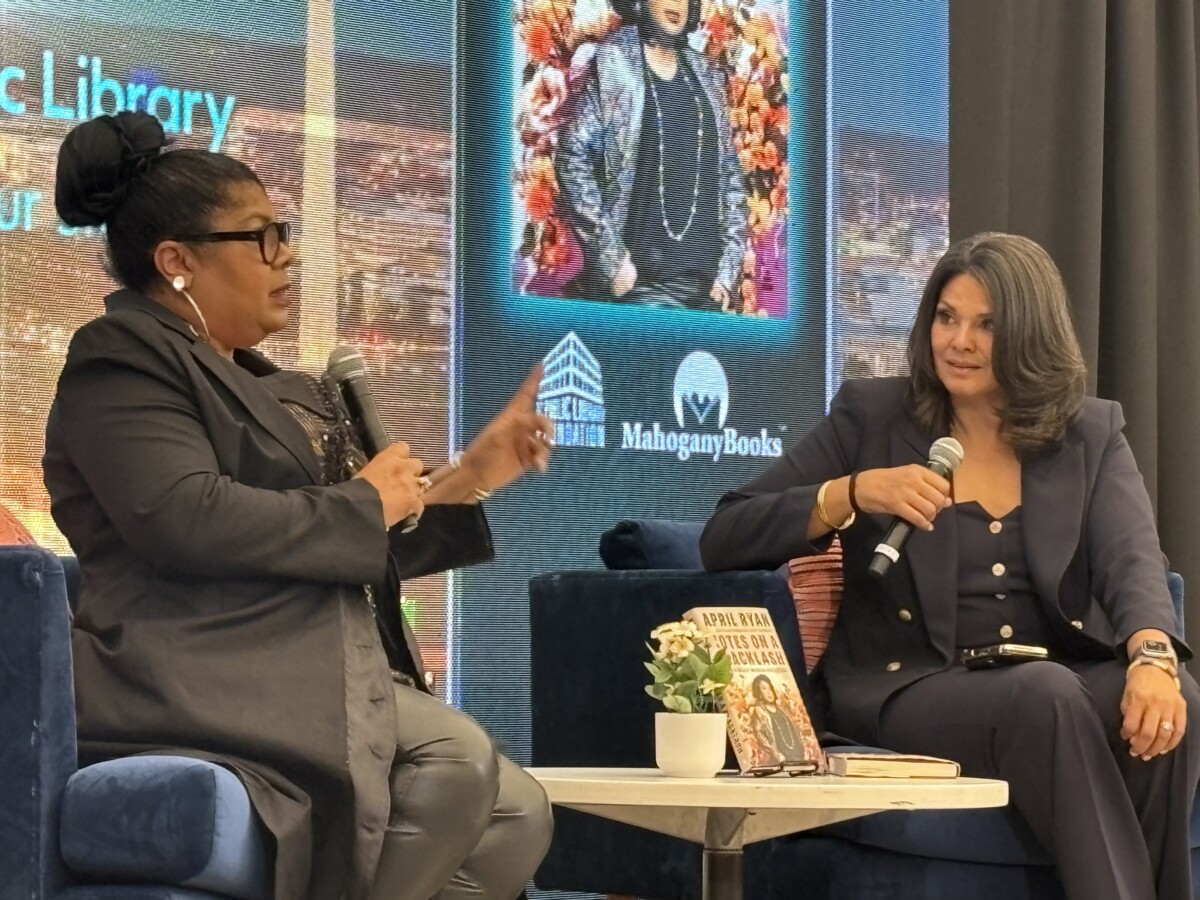
April Ryan discusses her new book with CNN correspondent Sara Sidner Tuesday at Washington’s Martin Luther King Jr. Memorial Library. (Credit: Richard Prince)
“When Bono visited the White House under George W. Bush, no one blinked. No one questioned when the Jonas Brothers, Beyoncé, or Jay-Z dropped by during the Obama years. Elvis met with Nixon in the Oval Office, captured in a photograph that’s now part of American pop culture. Even Fat Joe was invited to discuss health disparities in minority communities. Yet, when Stevie Wonder, an artist with a Nobel Peace Prize nomination and a lifetime of advocacy, wanted to meet with the sitting president, the very idea was met with derision. One has to ask why.
“We know that celebrity advocacy has a long, credible history in this country, but that day, in that room, the press corps revealed a blind spot and exposed a bias too many are still reluctant to admit.
“Jean-Pierre never confirmed nor denied the possibility of a meeting. Still, once Stevie heard the reaction in that briefing room and sensed the mockery rippling across social media, his decision was made. The White House apparently reached out multiple times afterward, but Stevie held his ground. He chose dignity over damage control. His message was pointed and plain: If you’re serious, you’ll make it happen. It didn’t happen, and the silence that followed made more impact than any official statement could.
“Those reporters failed to grasp the reverence many Black Americans hold for Stevie Wonder, not just as a musician but as a truth teller, an architect of progress, and a cultural beacon. After the briefing ended, I confronted them. I was livid. One reporter even cracked a joke — He just called to say ‘I love you’ — a flippant play on one of Stevie’s most beloved songs (video). Later, that same reporter sheepishly admitted he hadn’t realized Stevie’s role in advocating for the King holiday, or how deeply he’d influenced generations beyond his music.
“I was fortunate. I grew up understanding. I knew that artists such as Stevie Wonder shaped how I saw the world long before I ever stepped into a newsroom. After I got to college, their impact was part of my identity.”
- Amber Ferguson, The Root: Exclusive: Journalist Georgia Fort Says Her Arrest While Filming Anti-ICE Protest in MN Has Led Her to Censor Her Reporting
‘
Attacks on Rachel Scott, pictured, and other Black women in the White House briefing room were cited in a friend-of-the-court brief. (Credit: Facebook)
If no image appears, please consider using a different browser.
. . . April Ryan, NABJ, Black Press Join Challenge to Media Ban
Journalist April Ryan, the National Association of Black Journalists and the National Newspaper Publishers Association, the Black-press trade organization, cited the need for African Americans’ access to credible media as the primary reason they have filed a friend-of-the-court brief opposing President Trump’s ban on three media outlets.
“By excluding CNN, MS NOW, and Politico from the White House press corps, the President’s media ban has disproportionate and harsher implications for Black audiences, who trust the very networks whose access has been revoked,” said the brief, filed Oct 1.
U.S. District Judge Timothy Kelly blocked the ban on Sept. 24 and has pushed his order’s expiration through Tuesday, granting both sides more time before a broader ruling determines whether the block should last for the full course of the legal challenge to Trump’s ban.
The brief was filed by lawyers Olivia N. Sedwick of the NAACP and Kristen Clarke of the Howard University Law School Civil Rights Clinic, who was assistant attorney general for civil rights in the Biden administration.
The filing also said, “the denial of a preliminary injunction would have reverberating consequences for Black communities and communities of color whose civil and constitutional rights have been secured and reinforced through advocacy that is informed and shaped by media sources they value and trust.”
It further stated, “While Ryan has been allowed to keep her press credentials under the current administration, she remains systematically excluded from the White House Press pool and has been denied access to the President. Ryan recently attended a press conference with Vice President Vance, where he ignored her questions and the questions of other Black journalists in the room, limiting their ability to ask questions, garner information and provide news to the public. . . .
“Attacks on reporters such as Rachel Scott, Abby Philip, Yamiche Alcindor, Kristen Welker, and others provide additional context for understanding the impact of the president’s most recent press ban. The attacks on these Black reporters aside, banning the very news outlets that Black communities rely on, places this White House on a collision course with the First Amendment. The administration’s actions stand to choke off the avenues through which Black communities receive direct information about the White
House and the federal government broadly. . . .”
- Danielle Belton, Poynter Institute: Advice for young Black journalists from an editor who used to be one
- Safiya Charles, Southern Poverty Law Center: With more attacks on democracy, ‘Black journalism has never been more necessary’
- Zachary Leeman, Mediaite: CNN’s Ana Navarro Flat-Out Asks Scott Jennings ‘Do You Care About White People Murdering Black People’ in Immigration Throw Down
- David McCabe, Michael M. Grynbaum, Benjamin Mullin, Lauren Hirsch and Glenn Thrush, New York Times: Justice Dept. Is Investigating TV Networks Over Trump Pool Coverage
- Erik Wemple, New York Times: Why a Court Order Didn’t Stop Trump From Keeping Reporters Off Air Force One
NAHJ VP Challenges Incumbent for Top Job
Julio-Cesar Chavez, a Reuters reporter who has been the National Association of Hispanic Journalists’ vice president/broadcast for the last six years, is challenging the incumbent, Dunia Eliver of Telemundo Los Angeles, for the association ‘s presidency. Voting takes place Nov. 2-13. This is the first year a sitting president can seek reelection consecutively.
“Both Dunia and I want what’s best for NAHJ, we simply have different approaches and priorities,” Chavez messaged Journal-isms.
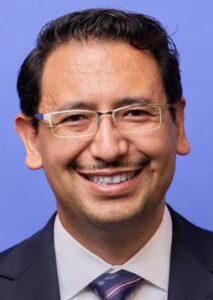 Chavez said on social media, “I’ve helped rewrite our bylaws, hired two executive directors, brought free hostile environment training to our members, and built a task force that gives audio and video journalists a real seat at the table. I know our organization inside and out, and have learned where we are strong and how we must adapt to reach places we never have before.
“It’s because of this experience that I am best suited to lead NAHJ the next two years.
“My plan centers on three things:
• “Growing our membership to 4,500 by our 45th anniversary, and giving every member a reason to stay engaged.
• “Diversifying our revenue, including a new Board of Advisors that connects our staff to funding we haven’t traditionally reached.
• “Giving our current and future leaders the tools to succeed so no chapter or task force has to start from scratch.”
He refers readers to his campaign website.
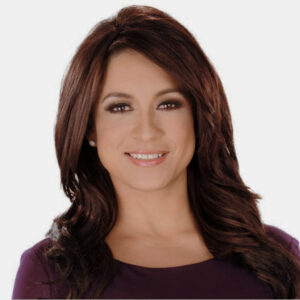 Elvir (pictured) did not respond to requests to discuss her candidacy, but she sent to members a list of achievements for the third quarter of the year, in line with NAHJ’s strategic plan.
“This summer, 1,500 journalists, students, educators and media professionals came together in New Orleans for our 2026 Conference & Expo. For me, it was a wonderful reminder of what makes NAHJ so special: the relationships we build, the opportunities we create and our shared commitment to ensuring that Latino voices are represented at every level of our industry,” she wrote.
“As we enter the final quarter of 2026, I am pleased to share the progress we have made toward the goals outlined in NAHJ’s five-year strategic plan.
“During the third quarter, we continued advocating for Latino journalists, expanded our national presence through new partnerships and community conversations, invested in professional development and strengthened our organization’s capacity to serve our members.”
Under the leadership of Elvir and Chavez, the organization continued to make it difficult for outside journalists to fully cover them, and failed to persuade the larger National Association of Black Journalists to move its convention dates for 2027 so they would not conflict with those already scheduled for NAHJ.
NAHJ thus moved its own dates. Some in the Black journalists’ group privately cited NAHJ’s decision to pull out of a planned joint 2024 convention in Chicago as a reason for their disinterest in accommodating the Latino group. “We expect NABJ to change their dates,” Chavez had said.
Also in 2024, NAHJ announced that press credentials for its convention would be honored for only one day. After the one day, members of the press must pay full registration costs to report on the four- or five-day conference. For NAHJ, that could be up to $599 more, plus extra for special events.
Journal-isms did not attend the 2025 or 2026 conferences for that reason.
Chavez said the policy has been tweaked, with outside journalists now having to report which parts of the convention they would be covering. “The requirement now is that instead of NAHJ providing blanket access to the whole conference, journalists planning to cover specific parts of the conference, regardless of beat, must fill out the press access form and specify what they want to cover on a specific day,” he said.
“The press pass does not limit accredited journalists to attending only the specified event that day nor covering only the specified topic. As we work to have notable conferences each year, journalists who want to cover multiple aspects or events of the conference are invited to submit credential requests for each day they plan to cover.
“Without specific coverage plans and subsequent published stories about the requested conference dates, any journalist, regardless of beat, is invited to register and attend the conference in its entirety.”
There has also been a de-emphasis on highlighting press freedom in Latin American countries, once a priority for the organization. “More than 900 Latin American journalists have been forced to leave their home countries in recent years,” LatAm Journalism Review reported in November. “For many, they are symbols of the deterioration of democracy in the region.”
Journal-isms reported last year that NAHJ was the nation’s fourth-largest association of journalists, behind Investigative Reporters & Editors, NABJ and the Society of Professional Journalists.
- Journal-isms: Dunia Elvir, NAHJ Leader, ‘Moving On’ From Day Job (Sept. 15)
New York NABJ Chapter to Honor Al Sharpton
The New York Association of Black Journalists plans to honor the Rev. Al Sharpton, the longtime civil rights activist who also hosts an MSNBC show, raising questions about the propriety of journalists presenting an award to a news source.
Under the section headlined “Act Independently” in its code of ethics, the Society of Professional Journalists says, “Avoid conflicts of interest, real or perceived. Disclose, explain and seek to lessen the effect of unavoidable conflicts.”
In addition to hosting MS NOW’s weekend “PoliticsNation,” which has had the highest concentration of Black viewers of any program on cable news, Sharpton is president and founder of the National Action Network.
In that role, he is currently in the news as adviser to the family of Nolan Wells, the Black teenager who was found dead off the coast of Mississippi, and spoke in that capacity at the summer convention of the National Association of Black Journalists.
Cynthia Horner, the president of NYABJ, told Journal-isms that Sharpton’s award was only for his presence on television when so many broadcast journalists are losing their jobs, and that, as a civil rights activist, “he walked so that we could run.”
Sharpton will have only a brief appearance at the event, she said. “He’s not even part of the awards show.”
Although the award inscription says this is a “civil rights and media” award, Horner said she will make sure that the press release says otherwise.
That explanation still does not sit well with some. Eric Deggans, media critic at NPR and Knight Professor of Journalism and Media Ethics at Washington and Lee University, messaged:
“Sharpton’s place in news media has always been a complicated one. While he has drawn attention to worthy causes and viewers to MSNBC/MSNOW, he is not a journalist. And arguably, his hiring many years ago by MSNBC helped blur the lines between journalism and activism in ways which have always made me uncomfortable. I worry that his success as an anchor shows that the path to a prominent cable anchor job isn’t necessarily through journalism, which may make it tougher for Black journalists to get those spots.”
Joe Davidson, an NABJ co-founder, said, “NABJ and it chapters should not give awards to newsmakers. I once opposed giving the annual Founders Award to someone I admire because the proposed recipient was a newsmaker and a source of mine. The fact that Sharpton does an interview show, as journalists do, might muddy the waters on this issue, but because he clearly also is an advocate, I would oppose NABJ giving him an award, no matter how much I might generally and personally agree with his views.”
- Journal-isms: Miffed Sharpton Cancels NABJ Appearance (March 12, 2012)
A trailer for “America Amended,” a six-episode series from The Root that explores what constitutional rights have meant for Black Americans, “the distance between a legal promise and lived reality.” (Credit: YouTube)
The Root Explores Black Interaction With Bill of Rights
“America Amended,” a six-episode series from The Root exploring what constitutonal rights have meant for African Americans, debuted Sunday on The Root’s YouTube channel.
“Hosted by Pulitzer Prize-winning journalist and author Trymaine Lee, the series explores what our constitutional rights mean more than 200 years after the document that serves as the foundation of America’s federal government was written,” The Root announced Wednesday. ” Through the lens of the Black American experience, the series examines the distance between a legal promise and lived reality. Each episode pairs a constitutional amendment with a city and a cultural lens, following the people and institutions that fought to make those rights real.
Ashley Allison, who became The Root’s first Black owner last year, said in the announcement, “I acquired The Root to build on its legacy and invest in the future of Black journalism. One year later, we’re expanding original reporting, backing independent creators, and building new avenues to reach and grow our audiences. America Amended reflects that ambition: rigorous storytelling that puts Black Americans at the center of the debate over this country’s promises and its future. We’re growing The Root with the reach, credibility, and independence to meet this moment.”
Asked whether he reached any conclusions, Lee messaged Journal-isms, “What became abundantly clear is that, even though the designers of this American project never imagined us as fully realized citizens, generation after generation we’ve used the Constitution and its amendments to push, shape, and carve out a semblance of freedom for ourselves.
“Tracing that arc, from the earliest promises of Black freedom to today’s fights for rights and equality, is as inspiring as it is exhausting. (What’d they say about freedom ain’t never been free?) Sitting at the feet of elders and breaking bread with a new generation of Black folks, all wrestling with what freedom means through a nuanced constitutional lens, reminded me of how far we’ve come through our own strength and agency. But also, the ongoing struggle to harden the seeming conditional citizenship we continue to challenge at every turn.”
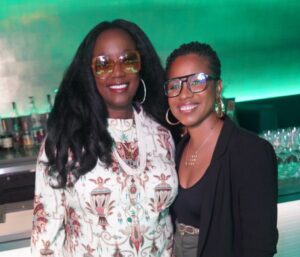 Separately, Krissah Thompson (at right, with Ashley Allison), a former Washington Post managing editor who had been advising The Root, says that her role there has ended. “I joined The Root as a consultant/senior advisor on contract in Nov 2025 and wrapped up the engagement in September, advising on editorial strategy, staffing and other matters,” Thompson messaged. “I have another consulting client (I haven’t asked whether I can name them so I’ll refrain) and I’m working with them on editorial strategy and a plan for a membership campaign. As part of my work with The Root, I advised on editorial at the launch of America Amended. I was not deeply involved with the production after we outlined the concept and created the staffing framework.”
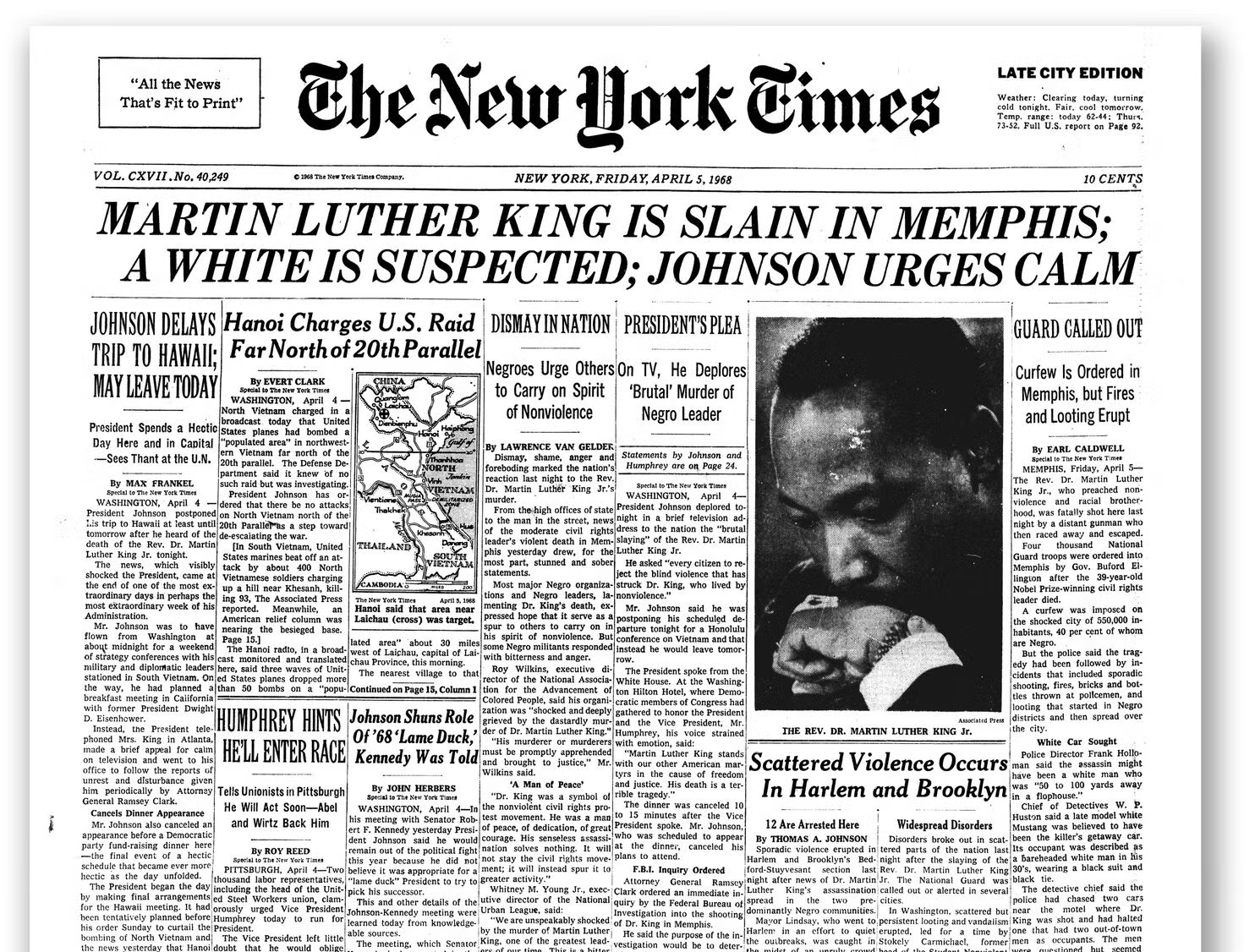
Earl Caldwell’s byline tops the New York Times’ lead story on the Martin Luther King Jr. assassination.
Earl Caldwell, 91 and Under Care, Receiving His Props
Earl Caldwell’s press freedom case before the U.S. Supreme Court, decided in 1972, and his presence during the Martin Luther King Jr. assassination in 1968 have made him an historic figure in journalism. Today he is in a nursing home north of New York City, journalist Wayne Dawkins reports after a visit.
Caldwell, also known for his work at The New York Times and the New York Daily News, his co-founding of the Maynard Institute for Journalism Education and his teaching at Hampton University, is now 91. He is the subject of a new book about his court case and of a piece in the Times that recounts his role there, part of the newspaper’s commemoration of its 175th anniversary.
“This Lower Hudson Valley community is 44 miles north of New York City,” Dawkins wrote Thursday on Facebook from Somers, N.Y. “The Paramount [at Somers] Rehabilitation and Nursing Center was where I traveled Oct. 6 to visit Earl Caldwell, my childhood journalism hero, and as an adult, Hampton University faculty colleague.
“When I last saw Earl in December, he was hospitalized because of a stroke. Heavily sedated, he was motionless and curled up in a bed at a Lincoln Center-area facility.
“A tight circle of friends of Earl was anxious about his fate. Others probably were not aware of the icon’s condition.
“He’s now in a better place. When I approached Earl in a community room he was sitting among a circle of five residents, telling stories as only Earl could.”
In the Times, Marc Lacey, a managing editor, traced Caldwell’s route from New York to the Lorraine Motel in Memphis, touching as well on the court case.
The book on that episode, by attorney Lee Levine, is “In Bad Faith: Earl Caldwell and the Fight for a Free Press,” to be published Nov. 15. (Book galleys are available.)
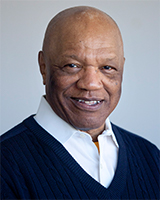 “This is the story of how Earl Caldwell (pictured) came to find himself before the Supreme Court, Levine writes.
“Although his case technically involved the First Amendment’s guarantee of a free press, United States v. Caldwell stands as a pivotal and widely misunderstood chapter in the court’s long history of grappling with the civil rights of its Black citizens.”
Levine also tells readers, “In the more than fifty years since the Supreme Court ruled against him, Caldwell made several efforts to chronicle his experiences in journalism. Shortly after the court decision, the Times had granted him ‘book leave.’ He produced a manuscript, which he submitted to an agent recommended to him by his old friend Jimmy Breslin.
“He said he received thirty rejection letters. During his time at Hampton, Caldwell undertook to rewrite the book, first in its original form as a full-scale autobiography and later as a series of separate books, the first of which would focus on his coverage of the King assassination. At his small house off the stadium parking lot, each room, with the exception of the one in which he slept, was piled high with the documents and files he had collected during his time in journalism. Now more than ninety years old, he still hopes to write that book.”
- Journal-isms: An ‘Inspired’ Caldwell Leaves Hampton U., Has Plans (May 13, 2022)
- Journal-isms: Feds Targeted Black Reporter, Author Says (Oct. 21, 2023)
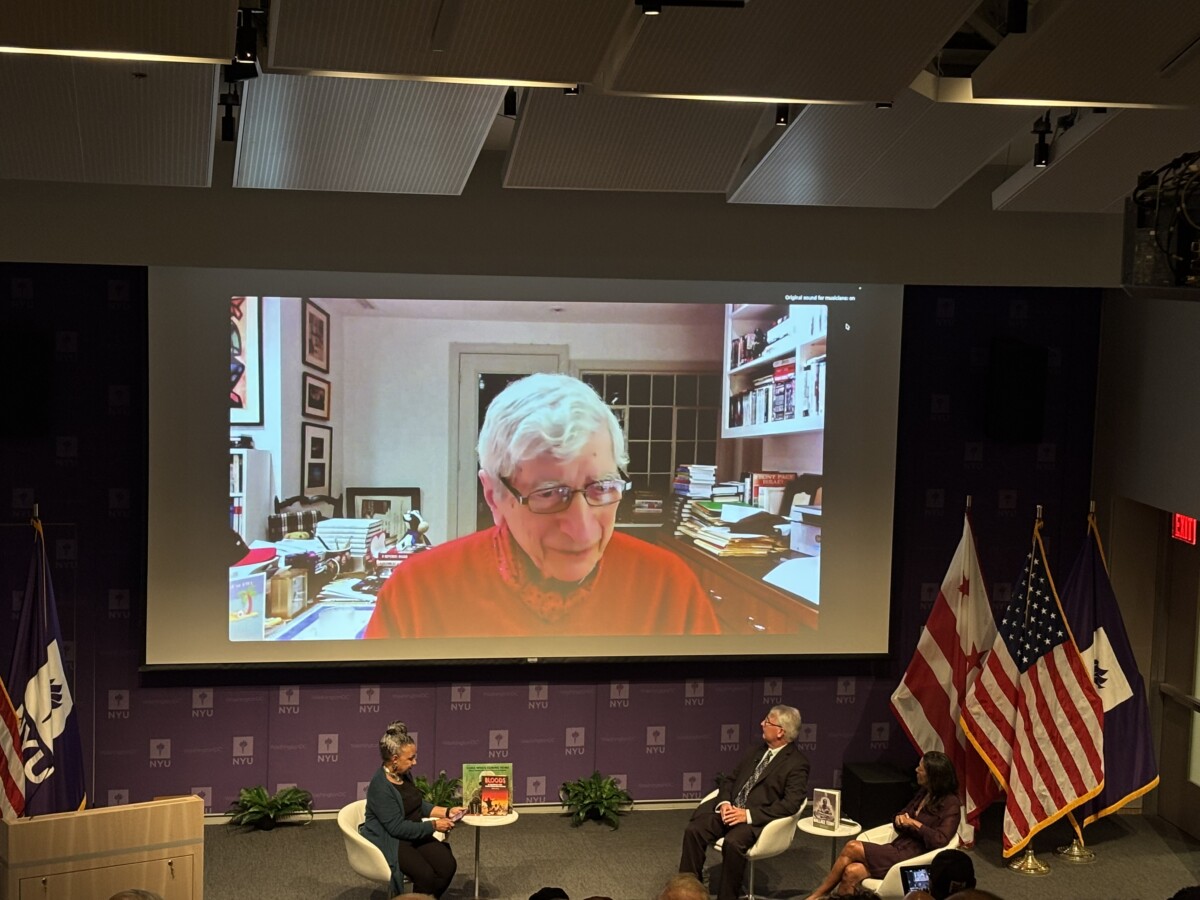
Marvin Kalb told the audience, “We are, as a country today, still tied up in knots because of racial discrimination. . . . Maybe we need a lot of other Wallace Terrys to go out there and cover this story, because I have a feeling that most people have forgotten that the story still exists.” (Credit: Richard Prince)
Panel Fills in Wallace Terry’s Own ‘Missing Page’
The storied journalist Marvin Kalb, now 96, last Wednesday joined authors A’Lelia Bundles and Ray Boomhower, along with Lisa Terry, to discuss a Black journalist described as underappreciated chronicler of the civil rights movement and of Blacks who served in the Vietnam War, Wallace Terry.
Wallace Terry, who worked at the Washington Post and Time magazine, died at 65 in 2005. Lisa Terry is his daughter.
The setting for the forum was the Washington, D.C., campus of New York University. It took place Wednesday. Kalb, who joined remotely, called Boomhower’s newly released “Wallace Terry: From Selma to Saigon to Bloods,” “simply terrific,” adding that, “I say that as a harsh critic.
“We tend not to realize what a difficult assignment that was, covering the civil rights movement then,” Kalb said.
He continued, ” We are, as a country today, still tied up in knots because of racial discrimination. So, you can talk about that issue back in the 1980s, and a number of people were absorbed with it, clearly. He obviously did. But the next issue is, you might think in your mind as a writer that you could help conquer this, and I think that was in his mind. He wanted — he had enough self-esteem, I guess, to want to conquer something that large, and somehow do it.
“But the country was fighting it. We are still as a nation fighting it. And maybe we need a lot of other Wallace Terrys to go out there and cover this story, because I have a feeling that most people have forgotten that the story still exists.”
Terry’s oral history of Black soldiers in Vietnam, “Bloods,” is now considered a classic. Ironically, Terry found himself “written out of history” when war correspondents were chronicled. He gave that as a reason for writing his own book, “Missing Pages: Black Journalists of Modern America: An Oral History,” published in 2007.
“Why, I asked, was I left unmentioned?” Terry wrote. “That’s when I made up my mind to research and write a book about black journalists beginning with World War II and taking them through the civil rights movement in America, and the Vietnam War. This work would help fill the missing pages in the history of modern American journalism.”
You can watch a recording of the NYU event here.
Media on Agenda at Black Panther Party Reunion
Sixty years after the Black Panther Party was founded in Oakland, Calif., the two foundations carrying the legacies of the Party’s co-founders, Huey P. Newton, Ph.D., and Bobby Seale, are staging an anniversary gathering this month. Discussions of the media — including the Black Panther Party’s own newspaper, the Black Panther — are on the agenda [PDF].
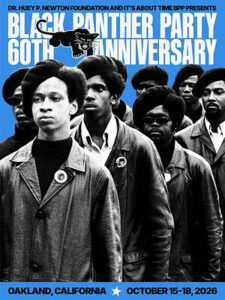 The four-day conference and gala takes place Oct. 15-18, in downtown Oakland.
A Friday workshop is called “Revolutionary media after the party.”
“We are highlighting the revolutionary media created by the San Francisco Bay View, picking up where the Black Panther Party Newspaper left,” the description says.
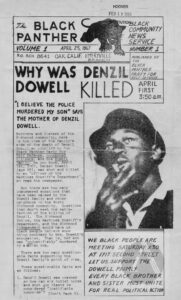 Another is described as “Investigating and staging A Record of Monstrous Falsehoods: FOIA litigation, international journalism, live documentary theatre, and the case for reparations for the Black Panther Party in Baltimore.” (Pictured: Vol. 1, No. 1 of “the Black Panther.”)
The description continues: “A Record of Monstrous Falsehoods: The State of Maryland v.The Black Panther Party is a public-history, investigative journalism, and community education project that brings archival research, cross-border journalism, and live performance together to examine the history and legacy of the Baltimore Chapter of the Black Panther Party, and the case for reparations.
“This workshop presentation traces the project’s research process and the international dimensions of COINTELPRO, featuring excerpts from recent investigative journalism and its adaptation into a live documentary stage play. The project’s researcher, writer, and director will be joined by members of the cast and veteran Baltimore Panther member Paul Coates to discuss the investigative and creative processes behind the work.”
Coates is the owner of the Black Classic Press publishing company and father of author and journalist Ta-Nehisi Coates.
Howard University’s Center for Journalism & Democracy said it was “convening 300+ newsroom executives, domestic and international journalists and scholars . . . for a full day of learning, strategizing and preparation. Expect sharp panel discussions, a first-of-its-kind Election Night Newsroom Simulation and hard-won lessons from journalists who’ve covered democratic backsliding around the world — plus the chance to connect with the people shaping this work nationwide.” (Credit: (YouTube)
Listen Up: ‘We Are Not Powerless as a Profession’
Journalists, legal scholars, and democracy advocates gathered at Howard University on Tuesday to discuss threats to press freedom and democratic institutions ahead of the midterm elections.
Here is a Rev.com summary of the all-day meeting:
The summit opened with remarks from Dr. Wayne A.I. Frederick, interim president of Howard University, who welcomed attendees to the fourth Democracy Summit [29:51]. He noted that previous summits had focused on threats to elections (2022), propaganda and democratic decline (2023), and oligarchy (2024), while this year’s theme centered on what newsrooms would do with that knowledge [31:17].
Nicole Hannah-Jones, founding director of the Center for Journalism and Democracy, delivered the inaugural address as the newly named Knight Chair in Race and Journalism [30:56]. She described the Trump administration’s attacks on the press, including defunding NPR and PBS by cutting $1.1 billion [40:56], surveilling journalists, banning news organizations from White House access [41:11], and filing multimillion-dollar lawsuits against media outlets [42:17]. She cited data showing U.S. democracy had reached its lowest level in 50 years according to the International Institute for Democracy and Electoral Assistance [42:56] and was deteriorating faster than any other democracy in modern times according to the V-Dem Liberal Democracy Index [43:29].
Bill Adair, Knight Professor of Journalism and Public Policy at Duke University, presented a photo essay documenting the past year of press attacks [46:34], including [President] Trump’s lawsuits against ABC (settled for $15 million) [48:15] and CBS/Paramount ($16 million) [48:35], the arrest of journalists Georgia Fort and Don Lemon [49:37], and the White House website dedicated to “calling out the media’s lies” [49:03].
The opening panel “Press Attacks Amid an Eroding Democracy” featured Hannah-Jones, Mary McCord (Executive Director at the Institute for Constitutional Advocacy and Protection), and Georgia Fort (independent journalist), moderated by Jodie Ginsburg of the Committee to Protect Journalists [53:01]. Fort described federal agents raiding her home, seizing her devices, and accessing her phone records via administrative summons [56:08] [56:22] [58:18], even after a judge denied a search warrant [58:14]. McCord explained how the administration was using executive orders to blacklist law firms and chill speech across institutions [1:10:07], noting courts had enjoined these orders “within hours” in three of four cases [1:12:15].
A second panel on election preparedness featured Carolyn Ryan of The New York Times and Leroy Chapman Jr. of the Atlanta Journal-Constitution, moderated by Jelani Cobb of Columbia Journalism School [2:15:14]. Ryan described a September 23rd election simulation with 70 staffers [2:19:30], while both emphasized the importance of explaining vote-counting processes to prevent disinformation narratives [2:20:54]. Chapman noted the partisan history of Georgia’s election system — “built by Republicans” [2:36:45]— but highlighted new concerns about law enforcement presence at polls and potential ICE activity affecting voter turnout [2:30:30] [2:31:03].
The “Lessons from Abroad” panel brought international perspectives with Christina Zahar (CPJ Latin America), Marianella Balabi (Press and Society Institute of Venezuela), and Atila Mong (CPJ Europe) [3:43:05]. They described authoritarian playbooks including weaponizing courts, economic asphyxiation of media, and criminalizing journalism [3:46:49]. Balabi detailed Venezuela’s post-January 3rd reality following Maduro’s removal, where digital news sites were unblocked and official data began returning — but warned these were merely “cracks in what is a wall of secrecy and censorship” [4:03:21]. Mong emphasized that media capture never occurs alone but alongside capture of judiciary and other institutions [4:08:12], and that Hungarian elections had been deemed “free but unfair” by international observers since 2014 [4:09:28].
The afternoon featured a newsroom simulation moderated by Joe Davidson [formerly] of The Washington Post [6:05:52], presenting scenarios including dumpster fires alleged to contain burned ballots, ICE presence at Latino polling places, and presidential declarations of victory without evidence. Panelists Claire McNeill (Tampa Bay Times), Ron Nixon (former AP/NYT), and Janae Nelson (NAACP LDF) stressed verification before publication [6:10:13] [6:11:26], consulting lawyers [6:34:31], and providing service journalism to help voters navigate confusion [6:22:05].
The summit concluded with breakout discussions and closing remarks from Hannah-Jones, who urged attendees to remember that “we are not powerless as a profession” [8:24:35] and quoted Ida B. Wells: “The people must know so that they can act” [8:25:05].
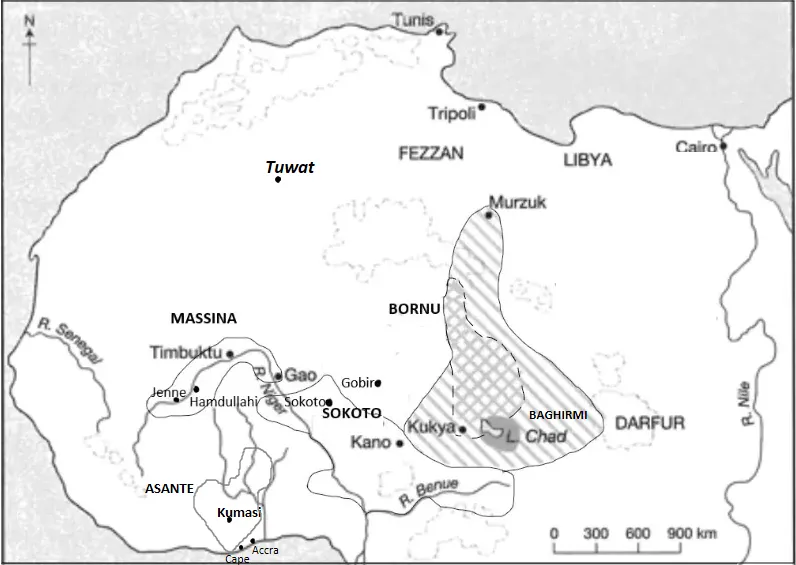
Map showing the kingdoms of Bornu, Sokoto, and Asante. (From Isaac Samuel’s Substack, African History Extra)
They Read the Times of London in Asante Kingdom
“Western explorers often arrived in Africa assuming they were ‘discovering’ a continent that had had little contact with the outside world. The reality was quite the opposite, Isaac Samuel notes,” reports Semafor and the London Review of Substacks.
“A British government representative in the mid-19th century found those he came into contact with ‘were as inquisitive about Europe as he was about Africa,’ while one had a deep understanding of Aristotle and Plato via Arabic translation. Decades prior, a UK government official traveling through West Africa was asked why, if his country was as benevolent as he claimed, had it been so overtly controlling and repressive in India?
“Though surprising to the explorers and colonizers who visited, African states learnt of other places through the same methods of elsewhere in the world: African explorers returned with written accounts of their travels, foreign visitors’ remarks were well catalogued, and Arabic-language representatives of Muslim kingdoms offered their own manuscripts. When British forces invaded the Asante kingdom in the late 19th century, they found copies of the Times of London and Bristol Courier.”
⛓️ Preso político con discapacidad intelectual, encarcelado a más de 4 horas de su familia y le niegan visitas, alimentos y jabón.
Walnier Luis Aguilar Rivera cumple 12 años de prisión por participar en las protestas del #11J. Necesita tratamiento psiquiátrico desde la infancia. En prisión no recibe la medicación ni la atención que requiere.
Su familia lleva 84 días sin verle y la próxima visita está fijada para el 20 de noviembre. El régimen prolonga la separación de un joven con discapacidad intelectual de quienes intentan cuidarlo y les impide entregarle hasta la comida y el jabón. Castiga al hijo y obliga a la familia a regresar con lo que es imprescindible para él.
Es crueldad deliberada contra un preso político que necesita atención psiquiátrica. La ONU declaró arbitraria su detención y exigió su liberación inmediata. El régimen lo mantiene encerrado y se ensaña con su vulnerabilidad.
La represión alcanza también a Wilber, su padre, y a toda su familia: vigilancia de la Seguridad del Estado, grabaciones y amenazas por defender a su hijo. Exigir su libertad y tratar de cuidarlo convierte a la familia en blanco de represalias.
¡¡LIBERTAD INMEDIATA PARA WALNIER!!
📢Denuncia, comparte, difunde.
#Cuba #PresosPoliticos
:::::
⛓️ A #11J political prisoner with an intellectual disability, imprisoned more than 4 hours away from his family: he is denied visits, food and soap.
Walnier Luis Aguilar Rivera is serving a 12-year prison sentence for taking part in Cuba’s July 11, 2021 protests (#11J). He has needed psychiatric treatment since childhood. In prison, he does not receive the medication or care he needs.
In this video, his father says the family has gone 84 days without seeing him and that the next visit is scheduled for November 20. The regime keeps this young man with an intellectual disability separated from those trying to care for him and prevents them from delivering even food and soap. It punishes the son and sends his family home with the very essentials he needs.
This is deliberate cruelty against a political prisoner who needs psychiatric care. The UN declared his detention arbitrary and demanded his immediate release. The regime keeps him locked up and continues its cruel treatment of a vulnerable man.
Repression also targets his father, Wilber Aguilar Bravo, and the entire family: State Security surveillance, filming and threats for defending Walnier. The family faces reprisals for demanding his release and trying to care for him.
FREE WALNIER NOW!!
📢 Speak out, share, spread the word.
#PoliticalPrisoners
— Prisoners Defenders (@PrisonersDFNdrs) October 9, 2026
f no image is visible, please consider using a different browser.
Apart from independent journalists, others in disfavor in include the son of this Afro-Cuban father, who participated in protests in 2021. “A #11J political prisoner with an intellectual disability, imprisoned more than 4 hours away from his family: he is denied visits, food and soap,” according to this social media posting, which includes an English translation.
“Walnier Luis Aguilar Rivera is serving a 12-year prison sentence for taking part in Cuba’s July 11, 2021 protests (#11J). He has needed psychiatric treatment since childhood. In prison, he does not receive the medication or care he needs. . . .” (Credit: X)
Cuban Independent Journos Still Harassed, Imprisoned
“José Luis Tan Estrada is an independent journalist, originally from Camagüey [in Cuba] and now in exile in Mexico City. The Cuban Observatory for Freedom of Expression (OCLE) has documented several acts of repression against him, and his case shows that the harassment of a journalist can go beyond the borders of Cuba,” the observatory said in a Facebook reel posted last week.
“In Camagüey, he was watched, arbitrarily detained, and summoned on repeated occasions. He was stopped when he was heading to deliver donations of medicines to a pediatric hospital, and he was interrogated and threatened to abandon independent journalism, aid to needy people, and his social media denunciations. When he refused to sign the warning documents, his house was besieged for several days. When he tried to travel abroad,
“Nicaragua denied him entry and had to move to Guyana, where he was exiled and stranded after losing the cost of a ticket that the airline did not refund.
“The threats followed. In Guyana, a man with a Cuban accent warned him in the middle of the street: ‘Don’t keep talking nonsense, we know where you are.’ A Cuban ambassador publicly insulted him on social media and accused him of being a ‘mercenary.’ In Mexico, he received death threats from a foreign number, in addition to intimidating comments on his publications. The journalist himself reported that a source linked to the government of his province warned him that there would be plans against his physical integrity.
“His response has been to continue: he will continue denouncing corruption and human rights violations in Cuba.”
Meanwhile, “The writer and independent journalist José Gabriel Barrenechea Chávez is serving sentences in conditions of isolation and physical risk in the prison of Guamajal, in Villa Clara, where he was transferred at the end of September from the La Pendiente prison, according to Pastor Mario Félix Lleonart, director of the Patmos Institute, to Martí Noticias,” the Spain-based CiberCuba reported Saturday.
“Lleonart specified that the transfer occurred around September 26 and that since then the writer remains in full incommunicado, without the possibility of receiving calls, books or notebooks.
“From Guamajal the calls do not come out. The excuse is that the phones are broken or there is no coverage,” the pastor said.
“The correspondence is also blocked in practice: ‘The cards hardly circulate because they read them and if something does not fit them they do not let them pass,’added Lleonart.
“What worries the director of the Patmos Institute the most is the physical security of the intellectual: according to the information he has received, Barrenechea was placed in a cubicle with about twenty people, including inmates described as violent, and fears that he could be assaulted, with the suspicion that other prisoners could receive incentives to attack him. . . .”
- ADN Cuba: ICE confirms deportation of Cuban intelligence agent (Sept. 14)
- CiberCuba: Cuba reappears in the worst category of the U.S. report on human trafficking (Oct. 8)
- Marti Noticias: [Journalist] Henry Constantin’s partner reports interrogation and threats after prison visit: “I stand firmly with him” (Oct.11)
- Ivette Pacheco, Marti Noticias: Former political prisoner Alexander Díaz accuses State Security of preventing him from leaving his house at night (Oct. 9)
- Carlos Alejandro Rodríguez, CubaNet: The U.S. says its pressure has decreased to less than 18,000 Cuban workers on missions (Oct. 8)
- Raúl Santopietro, El Pais, Uruguay: Thousands of Cubans apply for refugee status, but only a few dozen are granted it (Oct. 3)
Short Takes
- “For more than two centuries, the Census has counted all persons residing in the United States, regardless of immigration status,” the NAACP says. “The NAACP believes the Trump administration’s proposed changes depart from longstanding constitutional principles and threaten the accuracy and integrity of the nation’s population count.” Similarly, the proposal to remove questions about a person’s race “is sparking alarm among tribal leaders, voting rights advocates, and social service providers,” Native America Calling reported. “They say it will significantly impede tribes’ political representation at the state and federal levels and reduce access to federal resources, adding up to a serious erosion of tribal sovereignty.”
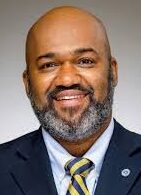 Declaring that “We either have a Constitution — and enforce it — or we don’t,” the Philadelphia Inquirer, under the opinon-page leadership of Richard G. Jones, wrote of President Trump, “The list of high crimes and misdemeanors is breathtaking, including accepting a $400 million luxury jet from a foreign government, pocketing billions in murky cryptocurrency deals, selling pardons, freeing insurrectionists, tangled deal-making that mixes family business with government policy, prosecuting political enemies on phony charges, shaking down law firms, universities, and media giants. . . . Removing Trump from office would further split a divided country. But allowing and enabling his unchecked power poses a grave threat to America.”
]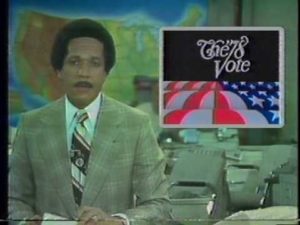 “Dawn Porter is set to direct a feature documentary on pioneering Black TV news anchor Max Robinson (pictured) for Wise Child Studios. CNN anchor Victor Blackwell is among the producers,” Cynthia Littleton reported Friday for Variety. “ ‘Color Bars: The Story of the Black Journalist Who Broke the TV News Color Barrier’ will recount the rise and fall of Robinson’s career in broadcast news for Wise Child Studios. Porter, known for her much-praised docus including 2020’s ‘John Lewis: Good Trouble’ and 2018’s ‘Bobby Kennedy for President,’ will produce through her Trilogy Films banner. Blackwell, who anchors ‘CNN This Morning Weekend’ and hosts the weekly series ‘First of All with Victor Blackwell,’ will produce through his Fresh Fruit Films. . . .”
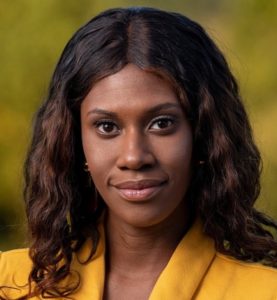 “Chicago Public Media announced today that Sasha-Ann Simons (pictured) will be departing ‘In the Loop,’ the daily news talk show she has hosted since 2025. Simons’ last show will be Nov. 6,” the organization announced Friday. “Simons joined WBEZ in December 2020 to host the two-hour midday talk show ‘Reset.’ ”
- Public Radio Immersion Day, an NPR initiative designed to introduce students from historically Black colleges and universities (HBCUs) to the people, purpose, and possibilities of public radio, launched Oct. 2, Whitney Maddox, vice president of DEI for NPR, announced on LinkedIn. “ I am currently an office of one while I hire so I created and planned this event from start to finish,” she wrote. “3 universities. 200+ students in journalism, communications or related majors.” The initative was created in collaboration with Howard University, Bowie State University, and Morgan State University.
- Personal finance columnist Michelle Singletary is launching a podcast for the Washington Post, to begin Oct. 13, Chris Roush reported for Talking Biz News. “I’m excited. It’s another way to reach readers,” Singletary told Journal-isms. Acast Productions announced in July that new shows in development and production would be hosted by Post journalists Carolyn Hax, Shane O’Neill and Singletary.
- “Former CNN newscaster Don Lemon is apparently giving more serious consideration to running for president than he previously admitted,” David Moye reported Wednesday for HuffPost. “In fact, he’s more than halfway sure he’s running, according to an interview he gave on the Uncloseted Media podcast earlier this week. “After host Spencer Macnaughton asked him about comments he made earlier this year that he was ‘totally serious’ about running for higher office in 2028, Lemon admitted that the odds are 65 to 70% that he will throw his hat in the ring. . . .”
“Stephen A. Smith was at the center of attention in the sports world on Wednesday when his segment on ESPN’s First Take was taken by viewers as making light of [Philadelphia Eagles offensive tackle] Lane Johnson’s mental health. And on Thursday, he provided a lengthy apology on the very same show,” Charles Curtis wrote Thursday in For The Win. ” ‘Bottom line is this, doesn’t matter what my intent was, it was how it was received,’ he said. ‘I messed up. … Here’s the reality of the situation: I was wrong.’ He went on to say that he didn’t make it ‘clear’ that he wasn’t making light of Johnson’s struggles and that he knows how serious mental health issues are. . . .”
